Winter Boots That’ll Destroy Your Outfit On Sight

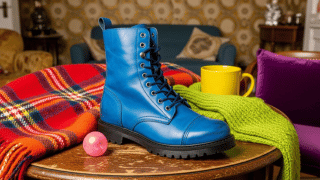
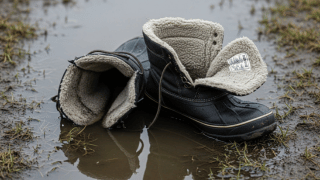

Winter boots are supposed to keep your feet warm, your feet dry, and your style intact through cold weather, snow, mud, ice, and the whole dramatic winter season. But let me be loud and clear here because I am feeling bold today: some winter boots will destroy your outfit on sight, and I have thoughts. Actually, I have a whole avalanche of thoughts.
When it comes to winter boots, I am especially concerned about fit, warmth, and traction—too many pairs fall short in at least one of these areas.
Let’s talk about winter boots that look cute on the shelf but turn into a fashion disaster the second you pull them on. I have seen boots make toes look stiff, ankles look bulky, and legs look like they are fighting for their lives. Don’t get me started on the boots that claim to have good traction, a warm wool lining, or waterproof protection but fold the moment they meet real snow. I have tested more pairs than I’d like to admit, and my opinions are shaped by wearing boots through many harsh winters, each with different conditions and challenges. Some survived. Some did not.
If you want a pair that makes your life easier in cold weather, I got you. Need to avoid the ones that will instantly sabotage every outfit you own? I definitely got you. And yes, I will be sassy about it because I have suffered enough in boots that promised cozy heat but delivered sweaty chaos and plastic crunchiness. So let’s jump in.
The Bulky Boot That Eats Your Whole Outfit Alive
Some boots are so huge that the moment you wear them, your outfit disappears. Listen, I get that insulation and faux fur matter. I get that you want your feet warm when you walk on wet ground or icy sidewalks. But I do not get why some brands think your ankle needs to look like it’s wrapped in ten rolls of fluffy blue tape.
These are the boots that make you look like you borrowed your dad’s old snow boots from the 1980s. The sole is massive, the liner is loose, and your toes feel lost somewhere inside the giant interior. When you walk, you feel a bit unstable because there is just too much boot and not enough foot.
The worst part? Styling them is impossible. You can try leggings, jeans, anything, but the boot still looks like it is wearing you. Even trying different jackets and outerwear to balance the look didn’t help—the boots still dominated every outfit. I once wore a pair like this while running errands and had a stranger ask me if I was coming from a sledding trip. Literally just buying bread, and someone thought I’d been sledding.
The Fake Waterproof Boot That Betrays You in the Snow
Note: Just because a boot is labeled waterproof, it doesn’t mean it will actually keep your feet dry.
I swear this is the most personal betrayal a winter shoe can pull. You buy a pair labeled waterproof, and you think, “Great, my feet will stay dry.” Then the first time you step into actual snow, the boot lets water slide right through the lining like it’s inviting disaster in.
Your socks get wet, your feet get cold, and now you’re slipping around because the traction is terrible too. If a boot cannot keep your feet dry, what is the point of life? I discovered one pair that absorbed water like a sponge. After testing them for hours outside, hoping they’d warm up, I was disappointed. No. They just got heavier.
When waterproof protection fails, it ruins your entire outfit because nothing looks stylish when you are shivering and walking like you regret leaving the house.
The “Cute Online, Clunky in Real Life” Boot
Oh, you know this one. The boot looks amazing in photos. Fluffy faux fur, soft shearling lining, sleek style—it all seems perfect. Then you order it, unbox it, pull it on, and suddenly your feet look ten times bigger.
This kind of boot normally has plastic hardware, a loose ankle, and a shape that collapses the moment you walk. Those blue accents that looked cool online? They look odd in person. The sole looks cheap, and the warm feeling you expected? Barely there.
Online shopping is dangerous like that. I have ordered boots that I was so excited for, imagining wearing them while walking the dog, maybe even while doing some light skiing. But when they arrived, they looked like costume shoes. The worst part is they fold at the ankle every time you walk, which destroys the look of your jeans.
READ ALSO: Best Gifts for Boyfriend to Upgrade His Basic Taste
The Slip Risk Boot That Ruins Your Confidence
There is nothing worse than stepping outside in winter and realizing your boots have zero good traction. You can feel the slip coming before it even happens. Some boots have thin soles, some have smooth soles, and some pretend to grip the ground but actually slide like they are ice skating.
These boots not only destroy your outfit but also destroy your confidence. You end up walking like you are 95, taking tiny steps, praying your feet stay under you. I wore a pair like this while walking across a parking lot once, and a woman in Columbia snow boots zoomed past me like she owned the world.
Let me tell you, style does not matter when you are lying on the ground wondering why you trusted a pair of boots with a sole so flat you could use it as a mirror.
The Tight Toe Box Boot That Makes You Suffer
There are boots that look stylish, sleek, and perfect in the box. Then you put them on and instantly feel your toes fighting for air. Some brands make the toe box so tight that even thin socks feel like too much.
Walk for a few hours, and your feet start to feel numb. Not cozy. Not warm. Just numb. I once wore a pair like this while doing errands and ended up limping into my house. Pulling the boots off required more strength than I used at the gym.
A boot should be comfy, secure, and give your toes actual space to live. If the lining is thick but the interior is tiny, the design does not make sense.
The Fashion Boot That Cannot Survive Winter
Some boots are made only for the vibes. Look, I love a cute vibe. I love a good fluffy look. But if the moment snow touches your boot it collapses emotionally, that is a problem.
These boots might have faux fur, soft wool, or pretty colors, but they are not made for actual winter. They cannot handle mud, snow, or ice. They basically cannot handle life. There are much warmer boots out there that actually provide insulation and keep your feet comfortable in real winter conditions.
I tested a pair like this once. They were adorable, and I was excited. After wearing them outside for five minutes, the exterior got wet instantly, the interior lining felt cold, and the traction was nonexistent. They are now house slippers. And not even good ones.
The Loose Ankle Boot That Does Nothing for You
If a boot cannot keep your ankle secure, it will make your walk look sloppy. Some boots are designed with wide ankles that do not hug your leg at all. Every step feels like the boot is trying to slip off.
This not only looks messy but also feels uncomfortable. Your heel lifts with every step, your socks slide down, and your foot feels unstable. Visually, the loose ankle makes the boot look cheap.
I once wore a pair like this to go shopping. By the time I got home, I was pulling the boots off with pure rage. A good boot should hug, not flop.
The UGG Knockoff That Turns Into Mush
Look, I love UGGs. Soft, fluffy, toasty, cozy UGGs are a winter essential for many women. But the knockoff versions? They turn into sad mush after two wears. The sole folds, the interior—barely lined with thin synthetic material—matts down quickly, and the boot starts leaning like it is tired of life.
When the boot leans, your outfit leans with it. Instant chaos.
I once bought a cheap pair thinking I found a deal. After a week, they looked like I had owned them for ten years. Never again.
The Overly Blue Boot That Clashes with Everything
Blue is cute. A bit of blue can be fun. But some brands think making a winter boot super blue is a good idea. It is not.
Blue boots are hard to style unless your whole outfit is neutral. Even then, the shade of blue can ruin your vibe. Some look electric, some look dull, and some look like ski rental shoes. Only a few boots with blue accents can be paired successfully with jackets or wool coats, and those are rare exceptions.
I tested a pair with bright blue plastic trim once. The color was so loud that it looked like the boots were yelling. Every outfit felt off.
The Sorel That Works… Until It Doesn’t
Now listen, I respect Sorel. But not every Sorel boot is created equal. Some pairs are extremely warm with great insulation and traction. In fact, some Sorel boots were so popular they sold out quickly last year. Others are stiff, heavy, and feel like wearing bricks.
I once had a pair that looked amazing. The faux fur was cute, the liner felt warm, the sole seemed solid. But the boot was so heavy that after hours of walking, my legs felt like they did a workout.
A heavy boot can ruin your outfit just by making you walk like you regret everything.
READ ALSO: 5 Reasons Why Wearing Safety Boots at the Workplace is Crucial
The Boot That Makes Your Jeans Bunch Up Horribly
You know that moment when you try to tuck jeans into your boots, and the jeans poof out like angry bread dough? It ruins the lines of your outfit, your silhouette, and your patience.
Some boots are designed with weird interior stitching that grabs onto denim and makes it bunch in the most unflattering way. I once tried to pull my jeans smooth while standing in a parking lot. It did not work. People stared. I accepted my fate.
The Cheap Liner Boot That Loses Warmth After One Month
Some boots come with a removable liner, which sounds great. But then the liner gets loose after a few wears, and suddenly your foot is sliding all around inside.
As the insulation gets thinner, the cozy heat disappears, and you start feeling the cold ground under your feet. Once that happens, the boot loses all purpose. I tested a boot with a removable liner once. It felt warm on day one. On day ten, it felt like wearing paper.
Cheap liners are often made with thin synthetic materials that compress quickly under regular use. Quality boots like Sorel or The North Face use denser insulation that maintains its loft even after months of wear, while budget versions flatten out faster than your motivation on a Monday morning. When you’re investing in winter boots, check if the liner is securely attached or, if removable, made with durable materials that can handle actual winter conditions without turning into saggy disappointment.
The Boot That Overheats Your Feet Indoors
Some boots are great outside, but the moment you step indoors, your feet start sweating like you are in a sauna. Thick insulation and poor ventilation will do that.
This destroys your outfit because you cannot focus on looking good when your socks are basically cooking. I wore a pair like this to a house party once. I had to take them off and walk around in socks because my feet were melting.
The key is finding boots with breathable materials that regulate temperature instead of trapping every bit of heat like an overprotective blanket. Brands like Columbia often incorporate moisture-wicking linings that pull sweat away from your skin, while some Sorel models feature ventilation systems that let your feet breathe without sacrificing warmth. If you know you’ll be moving between outdoor cold and indoor heat throughout the day—running errands, going to coffee shops, visiting friends—look for boots with removable liners or materials like merino wool that naturally regulate temperature. Your feet will thank you, and you won’t have to do that awkward hop-dance trying to air out your boots in someone’s entryway.
READ ALSO: Fall Fashion for Guys Who Just Googled “Fall Fashion”
The Boot That Looks Cute but Smells Fast
This is a personal attack. Some boots trap heat so aggressively that after a few wears, the interior starts smelling like regret. Once a boot smells, it takes your whole outfit down with it because you cannot feel confident wearing something that makes you self conscious.
The culprit is usually non-breathable synthetic linings combined with zero airflow, creating the perfect storm for bacteria to throw a party in your boots. Natural materials like wool and shearling have antimicrobial properties that help keep odors at bay, which is why quality UGG boots tend to stay fresher longer than their cheap knockoffs. To prevent this disaster, look for boots with removable liners you can wash, or at least air out your boots after every wear—don’t just toss them in the closet while they’re still warm and damp. Sprinkling baking soda inside overnight or using cedar shoe inserts can also help absorb moisture and odors. Because no outfit, no matter how cute, can survive the psychological warfare of wondering if your boots smell.
The Boot That Cannot Handle Real Life
In the end, a winter boot should handle the season. Snow. Ice. Mud. Wet ground. Long walks. Long hours. Running errands. Playing with the dog. Living real life. If a boot cannot do these basic things, it is just décor for your closet. And your outfit deserves better.
Real winter boots are built for durability and function, not just Instagram photos. Brands like Sorel, Columbia, and The North Face design their boots with actual winter conditions in mind—waterproof membranes that keep your feet dry through slush puddles, rubber soles with deep treads for gripping icy sidewalks, and insulation that holds up after weeks of daily wear. When you’re investing in winter boots, think about what your typical day looks like: are you commuting on public transit, walking the dog twice a day, chasing kids around playgrounds, or standing outside waiting for rides? Your boots need to work as hard as you do. A cute boot that falls apart after two weeks of normal use isn’t saving you money—it’s wasting it. Choose boots that can handle your real life, not just the fantasy version where you only wear them for aesthetic winter photoshoots.
What’s Really Inside: Boot Materials and Construction
Let’s get real: what’s inside your winter boot is just as important as how it looks on the outside. You can have the cutest pair in the world, but if the materials and construction aren’t up to the challenge, your feet will be cold, wet, and miserable before you even finish running errands.
Understanding boot construction helps you spot quality before you buy. Check the seams—are they reinforced and sealed, or do they look like they’ll split after one slushy walk? Look at how the sole is attached to the boot: cement construction is cheaper and less durable, while stitched or vulcanized soles create a stronger bond that can actually handle winter abuse. The shaft of the boot matters too—if it’s made from stiff, inflexible material, it’ll dig into your calves all day, but if it’s too soft and floppy, it won’t provide ankle support or keep snow from sliding down into your boots. Quality winter boots balance structure with flexibility, using materials that can bend when you walk but still hold their shape after months of wear.
The Lining: Your Foot’s Best Friend
First up, the lining. This is where the magic (or disaster) happens. Faux fur and wool are the MVPs of cozy heat—think of them as a fluffy fortress for your toes. UGG boots are famous for their shearling lining, which keeps feet warm and toasty even when the temperature drops lower than your motivation to leave the house. The North Face, on the other hand, often uses synthetic linings that are quick-drying and moisture-wicking, so your feet stay dry even if you’re out walking the dog in wet snow.
Not all linings are created equal, though. Cheap synthetic linings mat down quickly and lose their insulating power after just a few wears, leaving your feet cold and disappointed. Quality linings maintain their loft and thickness even after a full winter of use. Some boots feature removable liners, which sounds convenient until you realize the liner shifts around inside the boot with every step, creating friction and discomfort. Fixed linings that are sewn or glued securely in place tend to perform better long-term. When shopping, press your hand into the lining—does it spring back, or does it stay compressed like sad pancake? That bounce-back tells you everything about how well it’ll hold up.
The Sole: Grip or Slip?
Now, let’s talk soles. If you want good traction (and trust me, you do), look for a rubber sole that’s flexible and grippy. Sorel boots are known for their chunky, winter-ready soles that bite into ice and snow, while Columbia has winter-specific soles designed for the best traction on slippery, wet ground. Because nothing ruins your day—or your outfit—faster than sliding across a parking lot like you’re auditioning for a figure skating team.
Construction: Built to Last
Construction is the final piece of the puzzle. A truly waterproof boot will have a membrane like Gore-Tex to keep your feet dry, no matter how many puddles you stomp through. Adjustable lacing and a secure ankle collar mean your boots stay snug, not sloppy, whether you’re skiing, sledding, or just walking to the mailbox.
So next time you’re shopping for winter boots, don’t just fall for a cute exterior. Check the lining, test the sole, and make sure the construction is ready for real winter life. Because the right pair will keep your feet warm, dry, and happy—no matter how many errands, dog walks, or snow days you have ahead.
UP NEXT: 7 Winter Foot Problems and Tips for Keeping Them At Bay
Source link