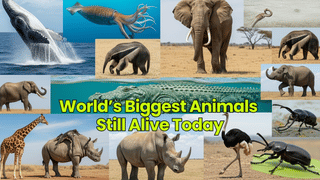
World’s Biggest Animals Still Alive Today
Alright, listen up, because today we are diving deep into the world of the world’s biggest animals. Yes, I mean the colossal creatures that make you gape in disbelief and rethink your place on this planet. If you think humans are impressive, wait until we talk about giants like the blue whale or the largest land animal, the African elephant. And trust me, we are going to cover all sorts of jaw-dropping species from land, sea, and even skies. It’s going to be fun, informative, and a little wild, just the way I like it.
Beyond just size, the impact these animals have on their environments is extraordinary. From shaping coral reefs to clearing forests, the world’s biggest animals influence entire ecosystems. Understanding them teaches us about balance in nature and why each colossal creature deserves respect and protection.
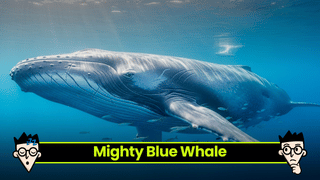
Mighty Blue Whale: The Largest Animal on Earth
Let’s start with the obvious superstar, the blue whale. This largest living species is an absolute legend. Estimates suggest an adult male can reach over 100 feet in body length and weigh upwards of 200 tons. Imagine a creature bigger than a school bus casually swimming in our oceans. The blue whale isn’t just big, it’s a gentle giant, feeding mostly on tiny krill yet dominating the world’s oceans by sheer size.
Seeing a blue whale in its natural habitat is like witnessing magic. Every part of its enormous size serves a purpose, from its massive heart to its gigantic tongue. Observing these giants up close reinforces why they are considered the largest animal on Earth, and why we need to keep them safe for generations to come.
Blue whales also play a critical role in ocean health by recycling nutrients. Their enormous presence promotes plankton growth, which supports countless other species. Protecting them is essential not just for awe, but for sustaining life in the world’s oceans.
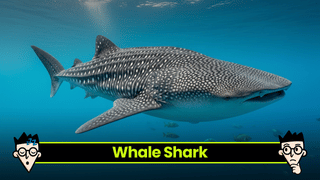
Whale Shark: The Largest Fish Alive
Now, if we pivot from mammals to fish, the whale shark takes the crown as the largest living fish. This slow-moving filter feeder glides through the world’s oceans, often mistaken for whales because of its enormous size. Adult males typically measure around 40 feet in body length, but the largest specimen ever discovered stretched beyond 60 feet.
Despite their size, whale sharks are calm and approachable, letting divers experience their colossal presence firsthand. Conservation efforts in South Asia and the Indonesian islands help maintain their populations. Observing them is a humbling experience, reminding us that the largest fish can be as gentle as they are enormous.
These massive fish can live for over a century, making them one of the longest-living marine species. Understanding their behavior and migratory patterns helps scientists with conservation strategies. Protecting whale sharks ensures that future generations will continue to witness one of the world’s largest species in action.
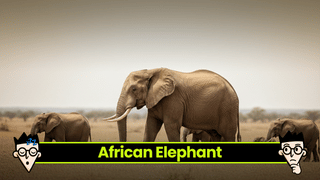
African Elephant: The Largest Land Mammal
Moving to land, the African Elephant is the largest land animal currently roaming earth. Adult males boast impressive tusks and can weigh up to 14,000 pounds. These largest land mammals dominate the savannahs of Sub Saharan Africa, specifically in East Africa. Their enormous size helps them survive, but poaching and habitat loss remain persistent threats.
African elephants are surprisingly social and emotional, forming bonds that last a lifetime. Watching a herd navigate the plains with purpose is a lesson in intelligence and cooperation. These gentle giants truly deserve the title of the largest land mammal and inspire respect across the animal kingdom.
Elephants also play a crucial role in their ecosystems by dispersing seeds and creating water holes. This environmental impact highlights why wildlife conservation is necessary. Protecting the largest land mammal ensures the survival of entire landscapes and countless other animals.
READ ALSO: Animal Trivia So Weird, It Feels Totally Made Up
Saltwater Crocodiles: Largest Reptiles of All
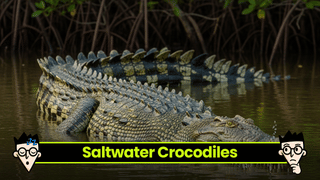
If you thought only mammals and fish got big, think again. Saltwater crocodiles hold the title as the largest living reptiles. Adult males in southeast Asia and the Indonesian islands can exceed 20 feet in body length, with enormous body mass to match. These apex predators are both fascinating and terrifying.
They are true survivors, having changed little over millions of years. Their stealth and power in the water make them a reminder that evolution favors patience and precision. Seeing one in the wild is awe-inspiring, reinforcing why the largest reptiles deserve protection.
Saltwater crocodiles also maintain balance in their ecosystems by controlling prey populations. Their role as apex predators prevents overpopulation and ensures healthy waterways. Conservation efforts are vital to maintain these magnificent giants for future generations.
Giant Squid and Colossal Squid: Legends of the Deep
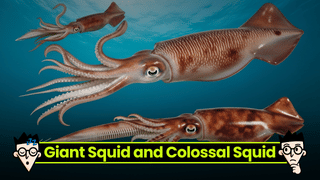
The deep sea hides some truly mysterious colossal creatures, like the giant squid and the colossal squid. Estimates suggest they can reach leg spans exceeding 40 feet, making them among the largest arthropods ever known. These elusive predators have fascinated humans for centuries, partly because of fragmentary remains washed ashore and occasional encounters with deep-sea explorers.
Deep in the southern ocean, these squids play a vital role in the ecosystem. Their elusive behavior and enormous size make them a thrilling subject for scientists and divers. Every discovery adds more insight into these mysterious giants, linking us to prehistoric animals and the wonder of the deep sea.
These squids also serve as a key food source for sperm whales and other ocean predators. Their presence indicates a healthy deep-sea ecosystem. Protecting them indirectly supports multiple colossal species, emphasizing the interconnectedness of the world’s largest animals.
Lion’s Mane Jellyfish: Largest Invertebrate
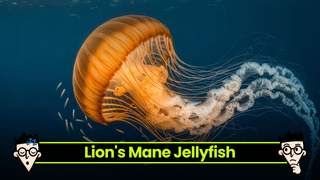
Yes, invertebrates can be giants too! The lion’s mane jellyfish is the largest species of jellyfish. Its tentacles can reach over 120 feet, making it longer than a blue whale. Found in the northern parts of the world’s oceans, it drifts gracefully, feeding on small fish and plankton.
Their delicate, flowing tentacles are mesmerizing to watch. Even though they are fragile, their enormous size is unmatched in the invertebrate world. These colossal creatures remind us that size and beauty can coexist in the most unexpected forms.
Lion’s mane jellyfish also provide insights into ocean currents and ecosystem health. Tracking their movements helps scientists understand climate change effects on marine life. Conservation of their habitats ensures these giants continue to thrive in our oceans.
Goliath Beetle and Heaviest Insects
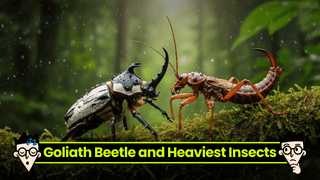
Switching gears to land insects, the goliath beetle is among the heaviest insects alive. This largest arthropod can weigh up to 100 grams, which might not sound huge compared to elephants, but in the insect world, it’s extraordinary. Their larval stage is even heavier, showing that even tiny creatures can achieve impressive body mass.
The goliath beetle’s striking patterns and strength make it a natural wonder. In Central and South America, these beetles thrive in tropical forests. Protecting their habitat ensures that the largest arthropod can continue to fascinate scientists and insect lovers alike.
Their existence highlights the importance of insect diversity in maintaining ecological balance. Even the world’s largest insects contribute to decomposition and nutrient recycling. Safeguarding them is crucial for the health of ecosystems alongside bigger animals.
READ ALSO: Facts About Cats You’ll Wish You Never Googled
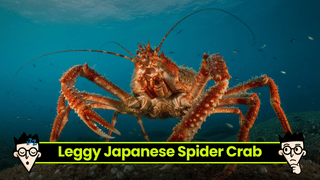
Leggy Japanese Spider Crab: Largest Arthropod
Still on arthropods, the leggy Japanese spider crab steals the show with the longest leg span of any living arthropod. Legs can reach up to 12 feet, giving them a ghostly appearance in the deep. These creatures are fascinating, yet rare, and mainly found near the Japanese coastline.
Their spindly legs and unique hunting tactics make them a deep-sea marvel. Despite their size, they live mostly undisturbed, showing how remote habitats can support colossal species. Observing them underlines the diversity of the world’s largest species in our oceans.
Japanese spider crabs also play a key role in cleaning the ocean floor, consuming dead organisms. This ecological service maintains healthy habitats for other species. Protecting these largest arthropods ensures the balance of their deep-sea environments.
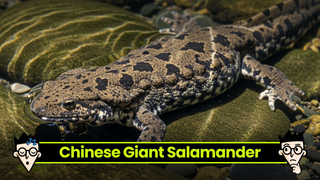
Chinese Giant Salamander: Largest Amphibian
Amphibians deserve a place in our spotlight too. The Chinese giant salamander is the largest amphibian on earth, reaching up to 6 feet in body length. This critically endangered species lives in southeast Asia and is threatened by poaching and habitat loss.
These salamanders are secretive yet powerful, demonstrating that amphibians can be both enormous and elusive. Conservation programs are critical to their survival. Protecting the largest amphibian ensures we maintain the incredible diversity of the world’s largest species.
They also act as indicators of freshwater ecosystem health. Declining populations signal pollution or environmental issues. Conservation benefits both these colossal amphibians and the overall health of rivers and streams in southeast Asia.
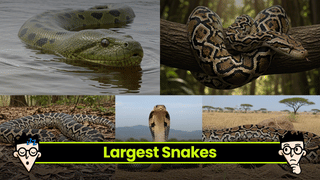
Largest Snakes: Constrictors and Pythons
Now, snakes. The largest snake alive is the reticulated python, reaching body lengths of 30 feet or more. In Papua new guinea and southeast Asia, these snakes are apex predators, feeding on mammals and birds. Their enormous size allows them to survive in diverse habitats.
Green anacondas add a heavy-weight contender, showing that largest species can vary by length or body mass. Both snakes are at risk from habitat loss and human activities. Respecting and protecting them ensures the largest reptiles remain part of our world.
Large snakes also help control populations of other animals, maintaining ecosystem balance. Their existence showcases the adaptability and survival skills needed to thrive as one of the world’s largest species. Preserving their habitats is essential for maintaining biodiversity.
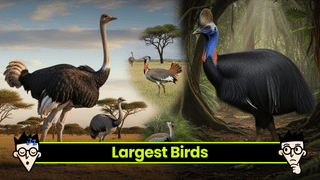
Largest Birds: Common Ostrich and Beyond
On to birds! The common ostrich holds the record as the largest bird. Adult males can reach over 9 feet tall and weigh more than 300 pounds. Their leg span is impressive, helping them sprint at incredible speeds across sub Saharan Africa.
Ostriches are surprisingly adaptive and resilient, living in harsh conditions while maintaining their massive size. Observing them highlights the world’s largest species can be gentle giants. Protecting their habitats is just as important as protecting any other colossal creature.
Their eggs are also the largest of any living bird, contributing to species survival and research. Understanding ostrich behaviors helps scientists manage populations and habitat needs. Conservation ensures the largest birds continue to flourish alongside other wildlife.
READ ALSO: Amazing Facts About Animals That Defy Logic
Largest Rodents: Capybara and Beyond
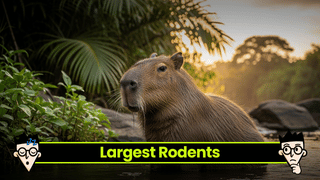
Capybaras, found in central and south America, are the largest rodents alive. Adult males can weigh up to 200 pounds. These social creatures are semi-aquatic and often seen near rivers and wetlands.
Their calm demeanor and size make them fascinating gentle giants. Conservation efforts are essential to preserve their populations, demonstrating that even rodents can be colossal creatures with unique ecological roles.
Capybaras also serve as prey and as seed dispersers in their habitats. Their interactions support ecosystem stability, showing how the largest rodent contributes to environmental health. Protecting them ensures balanced habitats for other species.
Sperm Whales: Ocean Giants
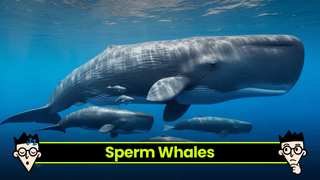
Sperm whales deserve a shout-out. As one of the largest mammal species in the world and among the world’s biggest animals, they have enormous body mass and can dive thousands of feet into the southern ocean. Adult males are massive, with some exceeding 60 feet in body length.
Their hunting for giant squid highlights the connection between colossal creatures. Sperm whales demonstrate intelligence and teamwork, reinforcing why protecting them through wildlife conservation is crucial for the world’s largest species and the world’s biggest animals.
Sperm whales also help cycle nutrients in the ocean, supporting plankton and fish populations. Protecting them safeguards ocean health and maintains the food chain. These gentle giants, among the world’s biggest animals, deserve our attention and conservation efforts.
Largest Frogs: Goliath Frog
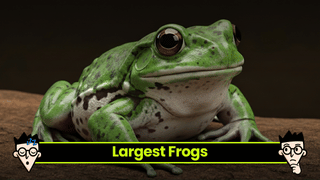
Back to amphibians, the goliath frog in central Africa is the largest frog alive and one of the world’s biggest animals in the amphibian category. Adult males can weigh over 7 pounds, a real giant in the amphibian world. Habitat loss and poaching make them critically endangered.
These frogs are agile and surprisingly strong, jumping large distances despite their size. Conservation efforts in central africa ensure they remain part of our planet’s biodiversity. The largest amphibian, a true member of the world’s biggest animals, reminds us that colossal creatures exist in every habitat.
Their diet helps control insect populations, benefiting the ecosystem. Protecting goliath frogs helps maintain biodiversity and the balance of tropical river systems. Ensuring their survival is key to preserving central Africa’s environmental health and the legacy of the world’s biggest animals.
READ ALSO: Hilarious Animal Videos You’ll Replay A Million Times
Largest Living Reptiles: Komodo Dragon
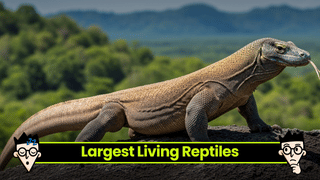
Komodo dragons are the largest living lizards and among the world’s biggest animals in the reptile category. Adult males can reach over 10 feet in body length with significant body mass. Found in the Indonesian islands, these predators are apex hunters and fascinating examples of evolution.
They are fearless and strategic hunters, showing intelligence uncommon in reptiles. Conservation efforts help maintain their populations despite human activities. The Komodo dragon, one of the world’s biggest animals, is proof that the world’s largest species are dynamic, powerful, and deserving of protection.
These dragons also play a role in controlling populations of other animals on the islands. Their predatory behavior ensures ecological balance, proving even the largest reptiles are essential for their environments. Protecting them benefits entire ecosystems and maintains the presence of the world’s biggest animals.
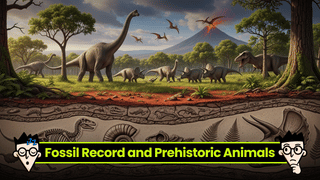
Fossil Record and Prehistoric Animals
Speaking of diversity, the fossil record shows us that prehistoric animals were even more colossal than today’s giants and some of the world’s biggest animals ever known. Enormous size has always fascinated humans, from dinosaurs to giant arthropods. Fragmentary remains hint at maximum sizes and impressive tusks that no modern animal can match.
Studying prehistoric animals helps us understand evolution and adaptation. These colossal creatures connect us to the past, highlighting why protecting today’s largest animals and the world’s biggest animals is vital. Fossil evidence inspires awe while reminding us of humanity’s responsibility toward wildlife conservation.
Fossil records also provide context for modern conservation. By learning which prehistoric species survived climate change, humans can better protect today’s largest animals and preserve the world’s biggest animals. These lessons help guide conservation efforts across the globe.
The Wonders of Colossal Creatures
In conclusion, the world is full of astonishing species. The largest animals, gentle giants, and colossal creatures inspire awe, respect, and admiration. From the blue whale in the world’s oceans to the African elephant on the savannah, from saltwater crocodiles in Southeast Asia to the goliath frog in central Africa, these animals remind us of nature’s grandeur.
Each species is unique, contributing to the world’s biodiversity. Observing these giants is not just entertainment; it is a lesson in survival, adaptation, and resilience. By supporting wildlife conservation, we ensure that the world’s biggest animals still alive today continue to astonish, educate, and inspire us all.
Protecting these colossal creatures also protects ecosystems, water quality, and biodiversity. Their existence impacts countless other animals and plants. By valuing the world’s largest species, we safeguard a vibrant, thriving planet for future generations.
UP NEXT: Wildest Animals You Won’t Believe Actually Exist
Source link