Part 3: Building a Simple Trading Strategy
Part 3: Building a Simple Trading Strategy
After understanding market structure and support and resistance, the next step is to combine these concepts into a simple trading strategy.
A trading strategy is a set of rules that helps you decide when to enter and exit the market. Without clear rules, trading often becomes emotional and inconsistent.
What is a Trading Strategy?
A trading strategy is a structured approach that defines:
- When to enter a trade
- When to exit a trade
- How much risk to take
The goal is to remove guesswork and make trading decisions more consistent.
Combining Market Structure and Support/Resistance
Now we combine what we learned:
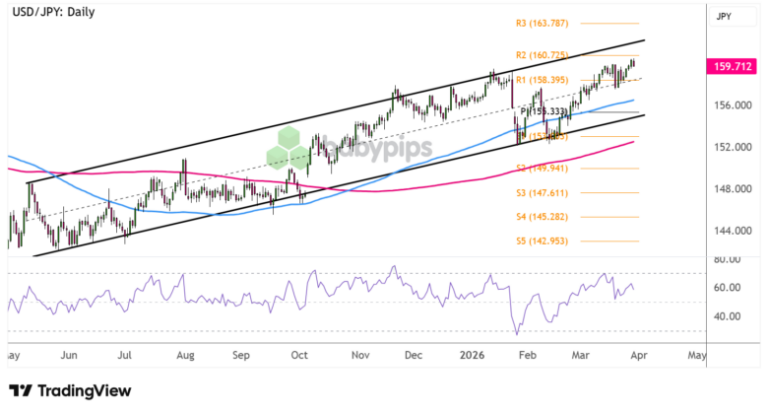
- Market structure tells us the direction
- Support and resistance tell us the location
By using both, we can create a simple and logical trading approach.
Example Strategy Rules
Buy Setup
- Market is in an uptrend (higher highs and higher lows)
- Price retraces to a support level
- Wait for price to show a reaction (bounce)
- Enter a buy trade
Sell Setup
- Market is in a downtrend (lower highs and lower lows)
- Price retraces to a resistance level
- Wait for price to show a reaction (rejection)
- Enter a sell trade
Risk Management
A strategy is not complete without risk management.
- Use a stop loss to limit risk
- Set a take profit based on logical levels
- Aim for a balanced risk-to-reward ratio (for example 1:1 or 1:2)
Why Simplicity Matters
Many beginners try to create complex strategies using multiple indicators. However, simple strategies are often more effective and easier to follow.
By focusing on price action, structure, and key levels, you build a strong foundation that can later be improved and automated.
Common Mistakes
- Changing strategy too often
- Ignoring risk management
- Adding too many indicators
- Not following the rules consistently
Conclusion
A simple trading strategy does not need to be complicated. By combining market structure and support and resistance, you can create a clear and logical system.
This is an important step before moving into data analysis and backtesting.
In the next post, we will start exploring why manual trading is not enough and why we need data to improve our strategy.