Cinkciarz.pl CEO Detained in US as Polish Fintech Fraud Probe Tops $50 Million
Polish
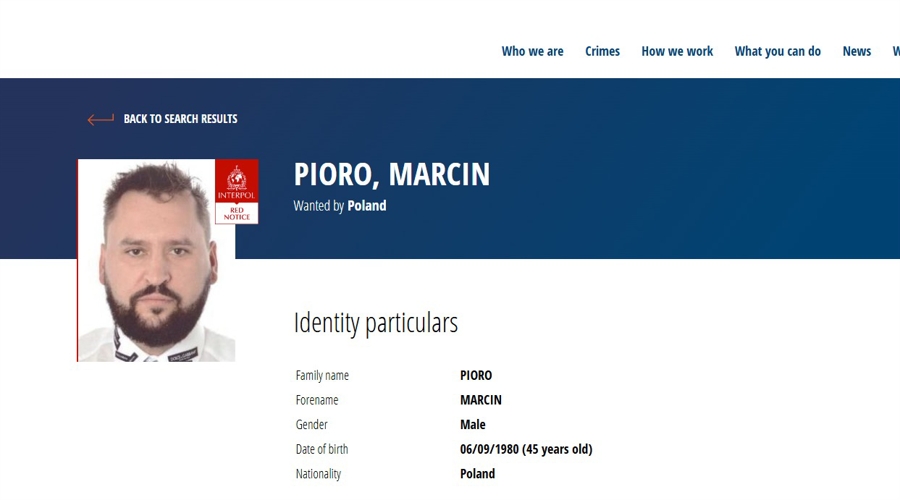
prosecutors said today (Thursday) that Marcin Pióro, the fugitive chief
executive of online currency exchange Cinkciarz.pl, has been detained in the
United States, ending one of the longest international manhunts in the
country’s fintech history.
The
Regional Prosecutor’s Office in Poznań confirmed the arrest in
a statement, saying the office is now waiting on a US court to determine
how extradition proceedings will move forward.
Office
spokesperson Anna Marszałek told Polish news agency PAP that, given the time
difference between the two countries, there was no information yet on when the
American court would rule. She added that the court must first decide what form
the extradition will take.
The arrest
was carried out by US authorities working with Polish counterparts from the
Central Bureau of Investigation and officers attached to the Criminal Bureau at
National Police Headquarters. The exact location of the arrest in the United
States has not been disclosed by either side.
Customer Losses Climb to
More than 185 Million Zloty
Prosecutors
said the estimated total damage caused by the failed platform has grown to more
than 185 million zloty, roughly $50 million at current exchange rates, with
over 5,000 customers identified as victims. The number of formal complaints
filed with the prosecutor’s office is higher still, and authorities expect the
case file to keep expanding.
That figure
is well above the 112 million zloty estimate disclosed
when the international warrant was first issued last summer, and roughly 60% higher than the 125 million zloty figure cited when
Interpol formalized the search in mid-2025.
The probe
traces back to October 2024, when the Polish Financial Supervision Authority,
KNF, revoked the payment services license
of Conotoxia, the
Cinkciarz.pl subsidiary that processed the bulk of the brand’s currency
exchange flow. Within days the Poznań prosecutor’s office opened a criminal
investigation.
From Interpol Red Notice
to American Custody
Formal
charges, including fraud and money laundering, were filed in March 2025 against
Pióro and several other executives, but the CEO had already left Poland and could not be served. A Polish
court approved his detention in absentia, paving the way for an international
arrest warrant.
The hunt
escalated in July 2025, when Interpol
issued a Red Notice placing Pióro among the policing body’s most wanted
suspects. He faces a maximum sentence of 25 years in prison if convicted on the
Polish charges.
Several
other figures connected to the company are already in Polish custody or under
investigation. Former board member Robert Górny was detained for three months
in early 2025, and chief accountant Monika J. was
arrested in mid-2025
on charges connected to the alleged misuse of customer funds.
Other
former managers of Cinkciarz.pl and Conotoxia, along with staff responsible for
currency liquidity on settlement accounts, have been charged with offenses
ranging from participation in an organized criminal group to money laundering.
From Polish Fintech
Darling to Bankruptcy Court
Founded in
2006 in the southwestern Polish city of Zielona Góra, Cinkciarz.pl rode the
country’s foreign currency boom to become one of Central Europe’s best-known
online exchanges, processing billions of zlotys in annual transaction volume.
Sports sponsorships and corporate campaigns lifted the brand’s profile across
Poland.
That
picture unraveled through 2024 and 2025. Customers began reporting that funds
deposited for currency conversion were not being returned, with delays
stretching from days into months.
Many of
those affected had been routing life savings, mortgage payments and small
business operating funds through the platform.
The
District Court in Zielona Góra eventually declared the company bankrupt, with proceedings now open for
thousands of creditors to file claims. Around 8,000 creditors have registered
with the bankruptcy trustee, according to Polish media reports.
Crypto Holdings and a
Combative Defense
The case
also drew attention to Pióro’s personal cryptocurrency holdings. Polish
investigators previously alleged the executive held roughly 492 bitcoins, worth
about 196 million zloty on personal storage devices. The company said the coins had been
acquired by Pióro as a private individual starting in 2015.
Throughout
the probe, the executive maintained his innocence and used social media to push
back, accusing Polish prosecutors of misconduct.
The company
itself pursued lawsuits against multiple Polish banks for alleged
collusion,
challenged the KNF’s license revocation in court, and at one point publicly
announced plans to transform into a joint-stock company
and pursue a banking license, a move the regulator rejected outright.
Cinkciarz.pl
lost its formal court dispute with
the KNF shortly
before the bankruptcy ruling.
How quickly
Pióro is returned to Poland will depend on whether his legal team contests the
extradition request. Polish authorities have flagged that such cases routinely
run for months, and in some instances more than a year.
Polish
prosecutors said today (Thursday) that Marcin Pióro, the fugitive chief
executive of online currency exchange Cinkciarz.pl, has been detained in the
United States, ending one of the longest international manhunts in the
country’s fintech history.
The
Regional Prosecutor’s Office in Poznań confirmed the arrest in
a statement, saying the office is now waiting on a US court to determine
how extradition proceedings will move forward.
Office
spokesperson Anna Marszałek told Polish news agency PAP that, given the time
difference between the two countries, there was no information yet on when the
American court would rule. She added that the court must first decide what form
the extradition will take.
The arrest
was carried out by US authorities working with Polish counterparts from the
Central Bureau of Investigation and officers attached to the Criminal Bureau at
National Police Headquarters. The exact location of the arrest in the United
States has not been disclosed by either side.
Customer Losses Climb to
More than 185 Million Zloty
Prosecutors
said the estimated total damage caused by the failed platform has grown to more
than 185 million zloty, roughly $50 million at current exchange rates, with
over 5,000 customers identified as victims. The number of formal complaints
filed with the prosecutor’s office is higher still, and authorities expect the
case file to keep expanding.
That figure
is well above the 112 million zloty estimate disclosed
when the international warrant was first issued last summer, and roughly 60% higher than the 125 million zloty figure cited when
Interpol formalized the search in mid-2025.
The probe
traces back to October 2024, when the Polish Financial Supervision Authority,
KNF, revoked the payment services license
of Conotoxia, the
Cinkciarz.pl subsidiary that processed the bulk of the brand’s currency
exchange flow. Within days the Poznań prosecutor’s office opened a criminal
investigation.
From Interpol Red Notice
to American Custody
Formal
charges, including fraud and money laundering, were filed in March 2025 against
Pióro and several other executives, but the CEO had already left Poland and could not be served. A Polish
court approved his detention in absentia, paving the way for an international
arrest warrant.
The hunt
escalated in July 2025, when Interpol
issued a Red Notice placing Pióro among the policing body’s most wanted
suspects. He faces a maximum sentence of 25 years in prison if convicted on the
Polish charges.
Several
other figures connected to the company are already in Polish custody or under
investigation. Former board member Robert Górny was detained for three months
in early 2025, and chief accountant Monika J. was
arrested in mid-2025
on charges connected to the alleged misuse of customer funds.
Other
former managers of Cinkciarz.pl and Conotoxia, along with staff responsible for
currency liquidity on settlement accounts, have been charged with offenses
ranging from participation in an organized criminal group to money laundering.
From Polish Fintech
Darling to Bankruptcy Court
Founded in
2006 in the southwestern Polish city of Zielona Góra, Cinkciarz.pl rode the
country’s foreign currency boom to become one of Central Europe’s best-known
online exchanges, processing billions of zlotys in annual transaction volume.
Sports sponsorships and corporate campaigns lifted the brand’s profile across
Poland.
That
picture unraveled through 2024 and 2025. Customers began reporting that funds
deposited for currency conversion were not being returned, with delays
stretching from days into months.
Many of
those affected had been routing life savings, mortgage payments and small
business operating funds through the platform.
The
District Court in Zielona Góra eventually declared the company bankrupt, with proceedings now open for
thousands of creditors to file claims. Around 8,000 creditors have registered
with the bankruptcy trustee, according to Polish media reports.
Crypto Holdings and a
Combative Defense
The case
also drew attention to Pióro’s personal cryptocurrency holdings. Polish
investigators previously alleged the executive held roughly 492 bitcoins, worth
about 196 million zloty on personal storage devices. The company said the coins had been
acquired by Pióro as a private individual starting in 2015.
Throughout
the probe, the executive maintained his innocence and used social media to push
back, accusing Polish prosecutors of misconduct.
The company
itself pursued lawsuits against multiple Polish banks for alleged
collusion,
challenged the KNF’s license revocation in court, and at one point publicly
announced plans to transform into a joint-stock company
and pursue a banking license, a move the regulator rejected outright.
Cinkciarz.pl
lost its formal court dispute with
the KNF shortly
before the bankruptcy ruling.
How quickly
Pióro is returned to Poland will depend on whether his legal team contests the
extradition request. Polish authorities have flagged that such cases routinely
run for months, and in some instances more than a year.