February 1, 2025—The Day That Shook Markets! Here’s What You Need to Know
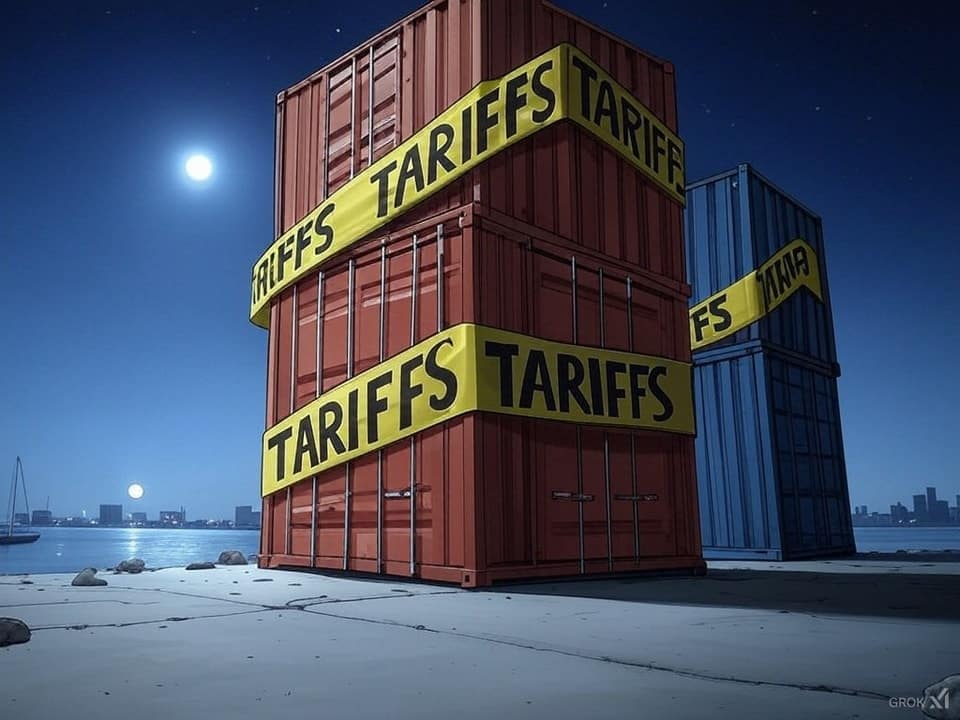
The Trump administration’s tariffs, which took effect on February 1, 2025, have introduced significant economic and market volatility. These tariffs, targeting major trading partners such as Canada, Mexico, and China, have implications across multiple sectors, including cryptocurrencyA cryptocurrency is a digital or virtual form of currency that uses cryptography for security. Unlike traditional currencies issued by central banks, cryptocurrencies operate on de… markets. As economic uncertainty rises, investors seek to reposition their portfolios, affecting asset classes like digital currencies.
Overview of Trump’s 2025 Tariffs
Tariffs on Mexico and Canada
A 25% tariff was imposed on most imports from Mexico and Canada, with an exception for Canadian energy exports, such as natural gas, hydroelectric power, and uraniumUranium is a dense, heavy metallic element that is weakly radioactive and naturally occurring in the Earth’s crust. With the symbol U and atomic number 92, uranium belongs to the…, which were subjected to a lower 10% tariff. This policy aimed to minimize disruptions in U.S. gas prices while still advancing the administration’s broader “America First” trade agenda.
Tariffs on China
A 10% tariff was applied to imports from China. This measure was part of Trump’s broader strategy to counter the fentanyl crisis, leveraging economic pressure on Beijing to secure cooperation in curbing the illicit drug trade.
Expected Economic Impact
These tariffs were projected to generate $1.2 trillion in federal tax revenue by 2034, which could be allocated toward infrastructure, debt reduction, or other government initiatives. However, analysts have cautioned that the economic drawbacks, including consumer price increases and potential supply chain disruptions, may offset some of these gains. Additionally, Canada and Mexico signaled their intent to retaliate with tariffs of their own, while China sought to challenge the tariffs at the World Trade Organization.
How the Tariffs Influence Cryptocurrency Markets
Increased Market Volatility
Tariffs create economic uncertainty, which often extends to financial markets. As investors react to shifting trade policies, traditional assets experience fluctuations, leading to increased volatility in cryptocurrencyA cryptocurrency is a digital or virtual form of currency that uses cryptography for security. Unlike traditional currencies issued by central banks, cryptocurrencies operate on de… markets. Speculative assets like BitcoinBitcoin is a decentralized digital currency that operates on a peer-to-peer network without a central authority or intermediaries like banks. Here are some key features and aspects… and EthereumEthereum is another major cryptocurrency platform known for its smart contract functionality, going beyond just being a digital currency. Here’s an overview of Ethereum: Key Featur… become more susceptible to sharp price swings as traders assess the potential fallout of trade disruptions.
Inflation Concerns
Tariffs generally lead to higher import costs, which can fuel inflationInflation refers to the rate at which the overall price levels of goods and services increase, gradually reducing purchasing power over time. It is commonly measured using indices …. If inflationInflation refers to the rate at which the overall price levels of goods and services increase, gradually reducing purchasing power over time. It is commonly measured using indices … rises, central banks may respond by adjusting interest ratesInterest rates are the cost of borrowing money or the reward for saving money, typically expressed as a percentage of the principal amount. When it comes to interest rate trading, …, reducing overall liquidity in financial markets. CryptocurrenciesA cryptocurrency is a digital or virtual form of currency that uses cryptography for security. Unlike traditional currencies issued by central banks, cryptocurrencies operate on de… are often seen as a hedge against inflationInflation refers to the rate at which the overall price levels of goods and services increase, gradually reducing purchasing power over time. It is commonly measured using indices …, similar to gold, but in the short term, they may experience downward pressure due to investors liquidating holdings in response to inflationary fears.
Liquidity and Investment Flow
Trump’s tariff policies could result in reduced market liquidity, particularly if they escalate into broader trade disputes. Reduced liquidity tends to dampen interest in riskier assets like cryptocurrenciesA cryptocurrency is a digital or virtual form of currency that uses cryptography for security. Unlike traditional currencies issued by central banks, cryptocurrencies operate on de…. On the other hand, if tariffs lead to local currency devaluations, digital assets could see increased demand as alternative stores of value.
Direct Impact on Crypto Mining
China remains a dominant player in cryptocurrencyA cryptocurrency is a digital or virtual form of currency that uses cryptography for security. Unlike traditional currencies issued by central banks, cryptocurrencies operate on de… mining, with key manufacturers such as Bitmain and Canaan producing a significant share of mining hardware. The new 10% tariff on Chinese imports could raise the cost of mining equipment, affecting operational expenses for BitcoinBitcoin is a decentralized digital currency that operates on a peer-to-peer network without a central authority or intermediaries like banks. Here are some key features and aspects… and other proof-of-work cryptocurrenciesA cryptocurrency is a digital or virtual form of currency that uses cryptography for security. Unlike traditional currencies issued by central banks, cryptocurrencies operate on de…. Higher costs could lead to a decline in mining profitability and impact networkIn the context of cryptocurrency, a network refers to the interconnected system of computers, nodes, and software that work together to support and maintain the functioning of a sp… security.
Investor Sentiment and Risk Appetite
Trade policies, especially tariffs, are often seen as precursors to broader economic shifts, including changes in foreign direct investment, job markets, and manufacturing strategies. These shifts can have long-term effects on global trade balances and economic stability. When tariffs increase, investors tend to adopt a “risk-off” approach, moving capital away from speculative investments like cryptocurrenciesA cryptocurrency is a digital or virtual form of currency that uses cryptography for security. Unlike traditional currencies issued by central banks, cryptocurrencies operate on de…. This shift could cause temporary declines in digital asset prices, particularly for highly leveraged trading positions.
Market Corrections and Liquidations
Following the announcement of the 2025 tariffs, significant liquidations were observed in the cryptocurrencyA cryptocurrency is a digital or virtual form of currency that uses cryptography for security. Unlike traditional currencies issued by central banks, cryptocurrencies operate on de… market, with BitcoinBitcoin is a decentralized digital currency that operates on a peer-to-peer network without a central authority or intermediaries like banks. Here are some key features and aspects… dropping nearly 12% in a single day and over $500 million worth of leveraged positions being liquidated. This rapid sell-off underscored the heightened sensitivity of crypto assets to macroeconomicAt its core, macroeconomics is the branch of economics that examines the behavior, performance, and structure of an economy as a whole. Unlike microeconomics, which focuses on indi… policy changes.
Long-term vs. Short-term Effects
While tariffs may trigger short-term price declines, they could also reinforce long-term interest in decentralized finance. As geopolitical uncertainty increases, some investors may turn to cryptocurrenciesA cryptocurrency is a digital or virtual form of currency that uses cryptography for security. Unlike traditional currencies issued by central banks, cryptocurrencies operate on de… as an alternative to traditional financial systems. However, the extent of this effect depends on the severity and duration of the trade conflicts.
Companies to Watch
Coinbase (COIN)
As one of the largest cryptocurrency exchangesCrypto exchanges are digital platforms that facilitate the buying, selling, and trading of cryptocurrencies like Bitcoin, Ethereum, and others. They act as intermediaries, allowing… in the U.S., CoinbaseCoinbase is a leading cryptocurrency exchange platform that enables users to buy, sell, and manage digital assets such as Bitcoin, Ethereum, and other cryptocurrencies. Founded in … is directly affected by changes in market sentiment and trading volume. Increased volatility from the tariffs may boost trading activity, benefiting Coinbase’s revenue. However, prolonged economic uncertainty could also deter new investor participation.
Bitmain
A leading manufacturer of cryptocurrencyA cryptocurrency is a digital or virtual form of currency that uses cryptography for security. Unlike traditional currencies issued by central banks, cryptocurrencies operate on de… mining equipment, Bitmain faces higher export costs due to the tariffs on Chinese goods. Investors monitoring the mining industry should pay close attention to Bitmain’s ability to adapt its supply chain and pricing strategies.
MicroStrategy (MSTR)
MicroStrategy, a firm heavily invested in BitcoinBitcoin is a decentralized digital currency that operates on a peer-to-peer network without a central authority or intermediaries like banks. Here are some key features and aspects…, often sees its stock price move in tandem with crypto market fluctuations. If tariffs cause sustained economic uncertainty, Bitcoin’s status as a store of value could enhance MicroStrategy’s position.
Tesla (TSLA)
Tesla, while primarily an automotive company, has significant exposure to cryptocurrenciesA cryptocurrency is a digital or virtual form of currency that uses cryptography for security. Unlike traditional currencies issued by central banks, cryptocurrencies operate on de… through its BitcoinBitcoin is a decentralized digital currency that operates on a peer-to-peer network without a central authority or intermediaries like banks. Here are some key features and aspects… holdings, which, as of its most recent filings, amount to over $1.5 billion. While this represents a fraction of its total market capitalization, it signals the company’s strategic interest in digital assets, making it an important stock for crypto-focused investors to watch.
Frequently Asked Questions
1. How do tariffs affect the cryptocurrency market?
Tariffs create economic uncertainty, leading to increased market volatility, inflationary pressures, and shifts in investor sentiment, all of which influence crypto asset prices.
2. Will Bitcoin benefit from the new tariffs?
In the short term, BitcoinBitcoin is a decentralized digital currency that operates on a peer-to-peer network without a central authority or intermediaries like banks. Here are some key features and aspects… may experience volatility. However, if economic uncertainty persists, BitcoinBitcoin is a decentralized digital currency that operates on a peer-to-peer network without a central authority or intermediaries like banks. Here are some key features and aspects… could gain traction as a hedge against inflationInflation refers to the rate at which the overall price levels of goods and services increase, gradually reducing purchasing power over time. It is commonly measured using indices … and fiat currency devaluation.
3. Why are mining companies affected by these tariffs?
Many mining equipment manufacturers, such as Bitmain, are based in China. The 10% tariff on Chinese imports raises the cost of mining rigs, potentially impacting profitability.
4. Could tariffs lead to increased cryptocurrency adoption?
Yes, if tariffs contribute to global trade tensions and currency devaluations, more investors may turn to cryptocurrenciesA cryptocurrency is a digital or virtual form of currency that uses cryptography for security. Unlike traditional currencies issued by central banks, cryptocurrencies operate on de… as alternative financial assets.
5. How does Coinbase benefit from tariff-induced volatility?
CoinbaseCoinbase is a leading cryptocurrency exchange platform that enables users to buy, sell, and manage digital assets such as Bitcoin, Ethereum, and other cryptocurrencies. Founded in … generates revenue from trading fees. Increased market volatility typically leads to higher trading volumes, boosting Coinbase’s profitability.
6. Are stablecoins affected by tariffs?
StablecoinsA stablecoin is a type of cryptocurrency designed to maintain a stable value relative to a specific asset or basket of assets. Unlike traditional cryptocurrencies such as Bitcoin o…, pegged to fiat currencies, may see increased demand as investors seek stability during periods of economic uncertainty.
7. What role do institutional investors play in this trend?
Institutional investors may adjust their strategies based on macroeconomicAt its core, macroeconomics is the branch of economics that examines the behavior, performance, and structure of an economy as a whole. Unlike microeconomics, which focuses on indi… trends. A prolonged trade war could drive institutions toward BitcoinBitcoin is a decentralized digital currency that operates on a peer-to-peer network without a central authority or intermediaries like banks. Here are some key features and aspects… as an alternative asset class.
8. How do tariffs impact cryptocurrency regulations?
Heightened economic policies often coincide with increased regulatory scrutiny, which could influence how governments approach digital asset regulations.
9. Could tariffs lead to stricter capital controls on crypto?
Some countries, such as China and Argentina, have historically imposed capital controls to protect their economies from currency devaluation, potentially restricting access to cryptocurrenciesA cryptocurrency is a digital or virtual form of currency that uses cryptography for security. Unlike traditional currencies issued by central banks, cryptocurrencies operate on de….
10. How should investors navigate tariff impacts on cryptocurrencies?
Diversification and riskIn stock and crypto trading, risk refers to the possibility of losing some or all of the capital invested in a trade. It represents the uncertainty about the future performance of … management strategies, such as holding a mix of assets, can help investors mitigate the effects of tariff-induced market fluctuations.
Looking Ahead
The Trump administration’s 2025 tariffs have introduced new complexities into global markets, including the cryptocurrencyA cryptocurrency is a digital or virtual form of currency that uses cryptography for security. Unlike traditional currencies issued by central banks, cryptocurrencies operate on de… sector. While short-term volatility may pose challenges, long-term structural shifts could increase demand for decentralized financial systems. Investors should closely monitor key companies and market trendsUnderstanding market trends is a critical component for businesses conducting industry analysis. For example, Netflix identified early on the growing demand for streaming services … to navigate this evolving landscape effectively.

Lance Jepsen is the senior personal finance writer for Guerilla Stock Trading who has spent more than 25 years covering the stock market and economics. In addition, Lance has worked as a private stock analyst for a number of high worth individuals.
Top Performing Cryptos (24 hours)
Do you have a news tip for GuerillaStockTrading? Please email us at
[email protected]
🗨️ JOIN OUR COMMUNITY OF CRYPTO TRADERS AND INVESTORS ON SOCIAL MEDIA
💥 GET OUR LATEST CONTENT IN YOUR RSS FEED READER
We are entirely supported by readers like you. Thank you.🧡
At GuerillaStockTrading, we maintain full transparency and impartiality; we never blog about stocks or crypto in which we hold a personal position unless explicitly stated in the article. Additionally, we do not accept paid promotions presented as content. All information shared is for informational purposes only and should not be construed as financial, investment, tax, or legal advice, nor as a recommendation to buy any security or financial asset. The content is general in nature and does not account for individual circumstances. It may not be suitable for your particular situation. Before making financial decisions, you are encouraged to seek guidance from your own financial or investment advisor.