Zcash plans quantum-resistant upgrade as crypto braces for future risks – CoinJournal
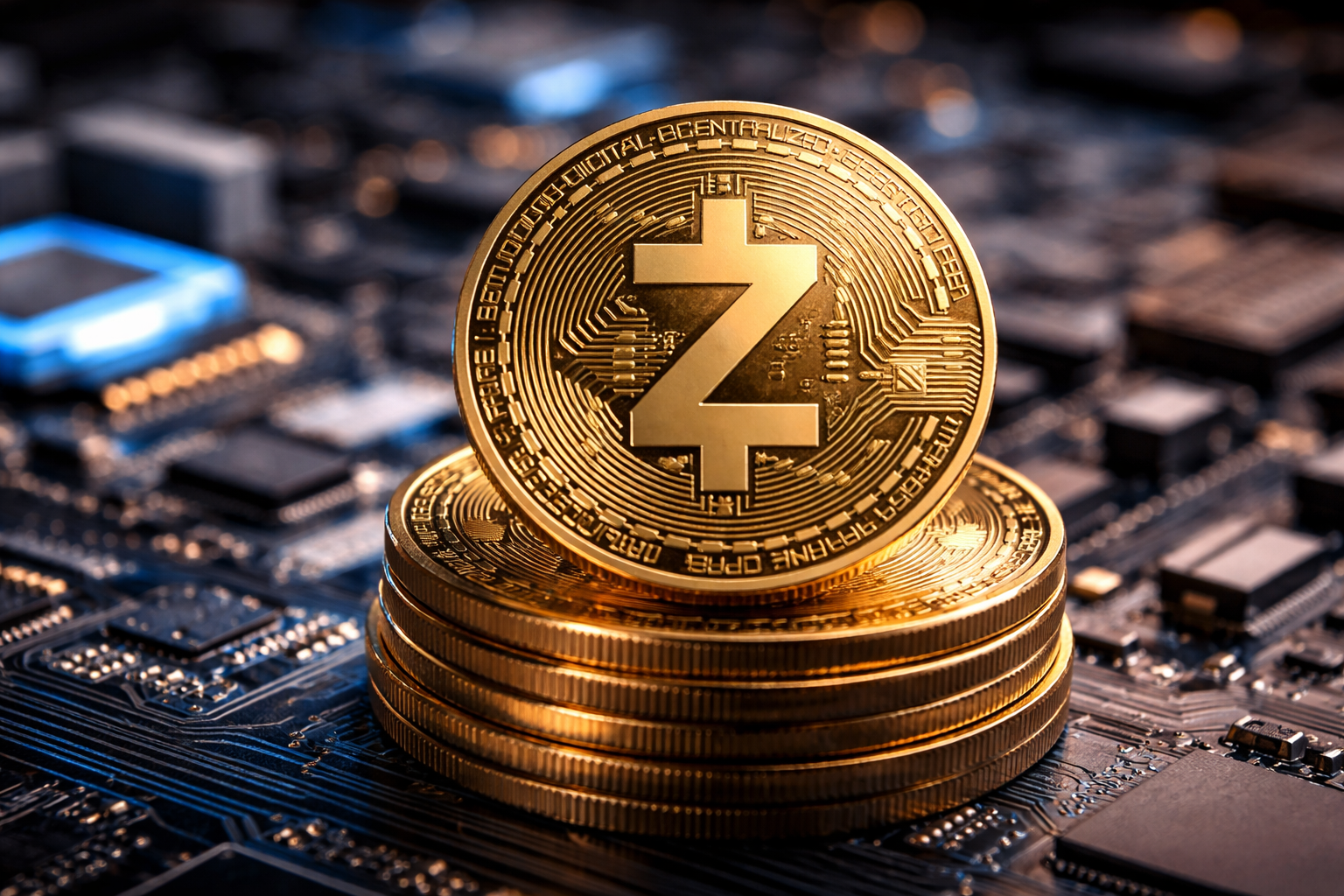

Zcash quantum recoverable wallets

  • Zcash plans to launch quantum recoverable wallets within about a month.
  • The system is designed to protect user funds during future cryptographic shifts.
  • Full quantum-resistant security is targeted for rollout by 2027.

Zcash is preparing a major upgrade aimed at protecting users from one of the long-term risks facing modern cryptography: quantum computing.

The network is set to introduce “quantum recoverable wallets” within the next month, according to development updates shared by its core contributors at Consensus Miami on Thursday.

The broader goal is to move the protocol toward full quantum resistance by 2027.

The move comes as blockchain projects increasingly assess how future advances in quantum computing could impact existing encryption systems.

Most cryptocurrencies today rely on elliptic-curve cryptography to secure private keys.

While this system remains safe under current computing capabilities, theoretical breakthroughs in quantum computing could eventually weaken or break it.

Zcash is attempting to address that concern in stages rather than waiting for a single full replacement of its cryptographic base.

A transition layer instead of a full overhaul

The upcoming “quantum recoverable wallets” are not designed to make Zcash instantly quantum-proof. Instead, they act as a protective transition mechanism.

The idea is to give users a recovery path in a scenario where current cryptographic methods are no longer reliable in the distant future.

In simple terms, these wallets are meant to ensure that users do not permanently lose access to their funds if the underlying cryptography becomes vulnerable.

Instead of locking users into today’s encryption model, the system is being built with migration pathways that can shift funds into stronger post-quantum security systems when needed.

The rollout timeline for this first stage is relatively short, with implementation expected within approximately one month.

This places it among the earliest real deployments of quantum-aware wallet infrastructure in a major privacy-focused blockchain.

Zcash developers have framed this as a preparatory step rather than a final solution.

The architecture is being designed so that future upgrades can be layered on without forcing users to abandon their wallets or migrate manually under pressure.

Zcash is targeting to be quantum-resistant by 2027

Beyond the initial wallet release, the longer-term objective is to achieve what the team refers to as “quantum-proof” infrastructure by 2027.

This would involve integrating post-quantum cryptographic systems that are resistant to attacks from advanced quantum machines.

The timeline shows a phased approach: deploying quantum-recoverable wallets as a safety and migration layer in a month, followed by continued development of post-quantum cryptographic systems and wallet upgrades, and then a full transition to quantum-resistant security standards within the protocol set for 2027.

This approach is significant because it avoids a sudden shift in cryptographic systems, which could be disruptive for users and developers.

Instead, Zcash is building backward compatibility into its future security model.

The urgency behind this roadmap is driven by increasing attention in the cryptography and blockchain sectors to quantum risk scenarios.

While there is no operational quantum computer capable of breaking current blockchain encryption today, the pace of research has led many projects to begin preparing early rather than reacting later.




Source link

Similar Posts

  • Michael Saylor: Bitcoin’s Growing Appeal to Institutions Could Make It ‘Boring’ for Retail

    Saylor says lower volatility eases institutional entry but may feel “boring” for retail traders. Bitcoin’s price rose nearly 99% in a year; long-term holders influence sideways movement. Strategy develops Bitcoin-backed instruments offering up to 12.7% yield, preparing for broader adoption. Strategy Executive Chairman Michael Saylor has highlighted that Bitcoin’s increasing appeal to institutional investors may…

  • GBBC Partner UK Parliamentary Group: How It Could Help Hedera

    Back in December 2025, the Global Blockchain Business Council (GBBC), a Hedera Strategic partner member, became the official partner to the UK’s All-Party Parliamentary Group (APPG) on Digital Markets and Digital Money. The partnership deserves a lookback after it marked a significant leap in strengthening collaborations between policymakers and the global digital asset industry, with…

  • ZKX shutdown sparks investor outrage, Amber Group responds

    The sudden shutdown of ZKX, a social derivatives trading platform on the Starknet layer-2 network, drew the ire of both investors and market makers. The closure, announced on July 30 by founder Eduard Jubany Tur, cited a lack of economic feasibility for the project as the primary reason. However, the abruptness and lack of communication…

  • 3 Top Cryptos to Hold for the Coming Market Rebound – Blockonomi

    The crypto market seeks sturdy projects for its next upswing. Shiba Inu (SHIB) and Solana (SOL) show recent strain but modest potential, but a new decentralized finance contender, Mutuum Finance (MUTM), presents a grounded alternative. With its ongoing presale already raising $20,400,000 and attracting 18,980 holders, MUTM offers tangible utility and a structured growth path….

  • Protocol Update 002 – Scale Blobs | Ethereum Foundation Blog

    Following up from Protocol Update 001, we’d like to introduce our approach to blob scaling. The L1 serves as a robust foundation for L2 systems to scale Ethereum, and a necessary component of secure L2 solutions is data availability provided by the L1. Data availability ensures that updates L2s make back to the L1 can…

  • ケルプDAO、rsETH不正流出巡りレイヤーゼロへ反論。「設定ミス」巡る責任論争に発展 – BitRss – Crypto World News

    ケルプDAO、「レイヤーゼロインフラ侵害」が原因と主張 リキッドリステーキングプロトコル「ケルプDAO(KelpDAO)」が、「rsETH」を巡る不正払い出し事案について、「レイヤーゼロ(LayerZero)」側の説明に反論する声明を日本時間5月6日に公開した。 同事案は、4月18日に発生したものだ。ケルプDAOのユニチェーン(Unichain)からイーサリアム(Ethereum)へのrsETHブリッジ経路において、攻撃者が実際には発生していないバーンに対応するクロスチェーンメッセージを成立させた。その結果、裏付けのない約11万6,500rsETHがイーサリアム側で払い出されたとされる。この時に使われたのがクロスチェーン通信プロトコル「レイヤーゼロ(LayerZero)」を用いたrsETHのOFT構成だ。 同事案について、レイヤーゼロの開発を行うレイヤーゼロラボ(LayerZero Labs)は、4月19日付のインシデント声明で説明を公表した。 同社はインシデントレポートで同事案がケルプDAOのrsETH構成に限定されたものとの認識を示している。レイヤーゼロではブリッジ検証において「DVN(分散型検証ネットワーク)」と呼称される仕組みを採用している。同社は、ケルプDAOのrsETHブリッジにおいてこのDVNが単一主体の検証による「1-of-1」構成で運用されていた点を問題視していた。レイヤーゼロラボは、本来は複数DVNによる冗長構成(マルチDVN)が推奨されていたにもかかわらず、ケルプDAO側が単一検証構成を採用していたと主張した。 これに対しケルプDAOは今回の声明で同事案の攻撃は「レイヤーゼロラボのコアインフラ内部で発生したもの」と主張した。同プロトコルチームは、レイヤーゼロ側が今回の事案を「ケルプDAOの設定問題」と位置付けている点について、「事実と一致しない」と反論している。 同プロトコルチームによると、「1-of-1」DVN構成は同プロトコル以外の分散型金融(DeFi)プロトコルでも採用されているという。オンチェーン分析プラットフォーム「デューン(Dune)」のデータでは、約2,665件のレイヤーゼロOApp(LayerZero OApp)コントラクトのうち約47%が1-of-1構成を採用し、約45%が2-of-2構成、約5%が3-of-3以上の構成だったとされる。また同プロトコルチームは、レイヤーゼロの開発者向けドキュメントやCLIテンプレートにおいて、単一DVN構成となる設定例が掲載されていた点も問題視している。 さらに同プロトコルチームは、テレグラム(Telegram)上でレイヤーゼロラボ担当者から当該構成について問題ないとの説明を受けていたとするスクリーンショットも公開している。加えて、開発者向けドキュメント内ではレイヤーゼロラボ(LayerZero Labs)のみを必須DVNとし、追加DVNを空配列とする設定例が掲載されていたことから、「1-of-1」構成が実質的な標準導線として利用されていたとの見方を示している。 また同プロトコルチームは、「レイヤーゼロラボは、自社インフラ障害によって発生した問題について、ユーザー側へ責任転嫁している」と主張している。 LayerZero CEOは反論、「手動で1-of-1へ変更」と説明 これに対し、レイヤーゼロラボCEOのブライアン・ペレグリノ(Bryan Pellegrino)氏は、自身のXアカウントでケルプDAO側の説明へ反論した。 同氏によると、rsETHのブリッジ構成は、当初レイヤーゼロラボとグーグル(Google)を含むマルチDVN構成で設定されていたという。その後、ケルプDAO側が手動で「1-of-1」構成へ変更したと説明している。 また同氏は、「本番環境で単一DVN構成を利用しないことは、ドキュメント内で繰り返し言及していた」とも主張した。同氏は、統合チェックリストやOFTクイックスタートなどの資料を提示し、「複数DVN利用」が推奨されていたと説明している。 また、同氏は5月5日の別投稿において、「レイヤーゼロは単なるプロトコルであり、設定はアプリ側が行うものだと考えていた」と述べつつも、「顧客とのコミュニケーション面で失敗していた」と反省の弁も述べている。 ペレグリノ氏は、レイヤーゼロのデフォルト構成は「マルチDVN」または未設定経路を拒否する「デッドDVN」だったと主張している。一方でケルプDAO側は、開発者向けドキュメントやテンプレート、担当者とのやり取りを踏まえると、「1-of-1」構成が事実上のデフォルトとして扱われていたとの認識を示しており、両者の説明には食い違いがみられている。 つまり今回の論点は、攻撃の直接的な起点だけでなく、推奨されていない高リスク設定を誰が選択し、その責任を誰が負うべきかという点に移っている。 Solv ProtocolもCCIP移行を表明 こうした中、ビットコイン(BTC ($80,039.00 · Live))関連プロトコル「ソルブ(Solv Protocol)」チームは、同プロトコルが発行する「ソルブBTC(SolvBTC)」および「xSolvBTC」向けのレイヤーゼロブリッジを廃止し、チェーンリンク(Chainlink)のクロスチェーン通信基盤「CCIP」へ移行すると5月7日に発表した。 同プロトコルチームによると、今回の判断は「広範なセキュリティレビュー」および最近のクロスチェーン関連インシデントを踏まえたものだという。今回の移行判断とrsETHを巡る事案との関連性は、現時点では明らかになっていない。 また同プロトコルは、CCIPについて「分散型相互運用性のゴールドスタンダードとして広く認識されている」との見解も示した。 なお、ケルプDAOも今回の声明内で、rsETHブリッジをレイヤーゼロOFTからCCIPベースの「CCT」標準へ移行する方針を明らかにしている。 今回の一連の動きは、rsETHインシデントを契機として、クロスチェーンインフラにおける責任分界やセキュリティ設計、デフォルト設定の在り方、さらには基盤プロトコル選定そのものを巡る議論へ発展していることを示すものとなっている。 After the recent LayerZero exploit, we are taking steps to ensure rsETH is fully secure, which is why we are migrating to @chainlink…

Leave a Reply

Your email address will not be published. Required fields are marked *